
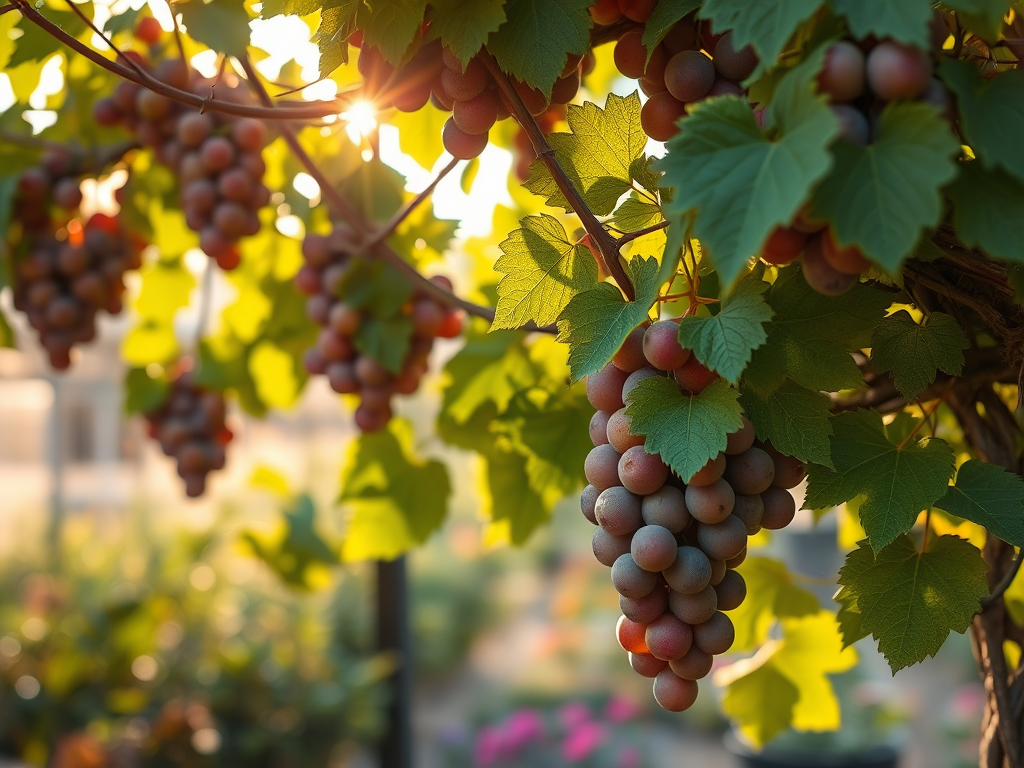
John 15:1–17 (NKJV)
📋 Quick Preview
- Main Theme: Abide in Christ, bear fruit through Him 🌿
- Verse Focus: “I am the vine, you are the branches…” (John 15:5)
- Takeaway Thought: Fruitfulness flows from faithfulness — staying close to Jesus is the only way to a life that glorifies God. 🍇
📖 Scripture Reading
John 15:1–17
1 “I am the true vine, and My Father is the vinedresser.
2 Every branch in Me that does not bear fruit He takes away; and every branch that bears fruit He prunes, that it may bear more fruit.
3 You are already clean because of the word which I have spoken to you.
4 Abide in Me, and I in you. As the branch cannot bear fruit of itself, unless it abides in the vine, neither can you, unless you abide in Me.
5 “I am the vine, you are the branches. He who abides in Me, and I in him, bears much fruit; for without Me you can do nothing.
6 If anyone does not abide in Me, he is cast out as a branch and is withered; and they gather them and throw them into the fire, and they are burned.
7 If you abide in Me, and My words abide in you, you will ask what you desire, and it shall be done for you.
8 By this My Father is glorified, that you bear much fruit; so you will be My disciples.
9 “As the Father loved Me, I also have loved you; abide in My love.
10 If you keep My commandments, you will abide in My love, just as I have kept My Father’s commandments and abide in His love.
11 “These things I have spoken to you, that My joy may remain in you, and that your joy may be full.
12 This is My commandment, that you love one another as I have loved you.
13 Greater love has no one than this, than to lay down one’s life for his friends.
14 You are My friends if you do whatever I command you.
15 No longer do I call you servants, for a servant does not know what his master is doing; but I have called you friends, for all things that I heard from My Father I have made known to you.
16 You did not choose Me, but I chose you and appointed you that you should go and bear fruit, and that your fruit should remain, that whatever you ask the Father in My name He may give you.
17 These things I command you, that you love one another.
🧭 Gospel Harmony or Context Summary
The teaching in John 15:1–17 — often called “The Vine Discourse” — is unique to the Gospel of John. 🍇 It has no direct parallel in Matthew, Mark, or Luke, which helps emphasize how deeply personal and intimate John’s account is. This moment takes place on the night of Jesus’ betrayal, most likely as He and the disciples are walking toward the Garden of Gethsemane after leaving the upper room (see John 14:31).
While the Synoptic Gospels (Matthew, Mark, and Luke) focus on Jesus’ parables to the crowds, John captures these tender final instructions to His closest followers — rich with metaphor, relationship, and promise.
Though there is no parallel passage in the other Gospels, this moment harmonizes beautifully with Jesus’ earlier teachings about bearing fruit, such as:
- 🌱 Matthew 7:17–20 — “Every good tree bears good fruit…”
- 🌾 Luke 6:43–45 — “A good man out of the good treasure of his heart brings forth good…”
This is one of the last recorded teachings before the agony of Gethsemane, and it prepares the disciples for life after the cross — lives rooted in Him.
🕰️ Historical and Cultural Background
In ancient Israel, the vine was a deeply familiar symbol — one that evoked both identity and responsibility. 🍇
🏛️ The Symbol of the Vine in Jewish Tradition
- In the Old Testament, Israel is often portrayed as God’s vineyard — a people meant to bear fruit for Him.
- Isaiah 5:1–7 describes Israel as a vineyard that produced wild grapes instead of good fruit.
- Psalm 80:8–16 speaks of God bringing a vine out of Egypt — a clear reference to Israel.
- By calling Himself “the true vine,” Jesus is redefining the identity of God’s people — fruitfulness now flows not from lineage, but from abiding in Him.
✨ The Setting of the Farewell Discourse
- These words are part of what’s called the Farewell Discourse, spoken just before Jesus’ arrest.
- Scholars believe they were said as Jesus walked with His disciples to the Garden of Gethsemane (John 14:31 hints at their departure from the upper room).
- Given the season of Passover, it’s likely that vines were visible along their walk, adding visual power to Jesus’ metaphor.
🔥 Pruning and Fire
- Pruning was a common agricultural practice. Gardeners cut away fruitless or dead branches so that the healthy ones could grow stronger.
- The fire imagery reflects judgment — not just general discomfort, but the seriousness of being disconnected from Christ.
🧡 Friendship in Ancient Culture
- Jesus’ words, “I no longer call you servants… but friends,” would have startled the disciples.
- In their culture, friendship with a teacher or master implied a deeply trusted, honored relationship.
- Jesus is inviting them into intimate fellowship, not merely obedience.
🗝️ Key Word Studies
🍇 Vine (ampelos – ἄμπελος)
Jesus calls Himself the true vine, evoking a symbol deeply rooted in Israel’s history. In the Old Testament, the vine often referred to Israel as God’s planting — meant to bear fruit, but often falling short (Isaiah 5). Now, Jesus declares that He is the genuine vine — the one who truly fulfills God’s purpose and gives life to the branches (His followers). 💞
🕊️ Abide (meno – μένω)
This rich word means to remain, stay, dwell, or endure. It appears 11 times in John 15:1–11, signaling how vital it is to stay connected to Jesus. Abiding is not a one-time event — it’s a lifelong relationship of nearness, trust, and spiritual nourishment. Picture a branch firmly nestled in its vine, drawing daily life and strength. 🌿
🍑 Fruit (karpos – καρπός)
Fruit is the visible outpouring of an inward connection. It isn’t just about doing good things — it’s about the transforming work of God in a person’s heart that blossoms into love, joy, peace, patience, and more (Galatians 5:22–23). A fruitful life is a God-glorifying life! ✨
✂️ Prune (kathairo – καθαίρω)
To prune means to cleanse, purify, trim for health. Gardeners prune to make vines stronger and more productive — and God lovingly does the same with us. Pruning may come in the form of hardship or correction, but its purpose is never harm — it’s growth through grace. 🌸
🤝 Friends (philos – φίλος)
Jesus tells His disciples, “I no longer call you servants… but friends.” This word means a beloved, trusted companion— someone who shares not only affection but understanding and access. What an incredible truth: the Lord of all calls us friends! 💛
🔍 Theological Themes
🌿 1. Union with Christ
The core of this passage is the mystical and intimate union between Jesus and His followers. To be “in Christ” isn’t just positional — it’s relational and vital. Just as a branch draws life from the vine, the believer draws strength, purpose, and transformation from Christ. Without Him, we “can do nothing” (v. 5) — but with Him, we bear much fruit. 🍇
✝️ 2. The Fruit of Discipleship
This passage defines true discipleship not by attendance or knowledge but by fruitfulness — the outward evidence of an inward connection. Fruit is not self-produced; it grows through abiding in Christ. It shows up in how we love, serve, obey, and glorify God (v. 8). 🌺
💕 3. Love as the Foundation
Love is not a bonus feature of faith — it is the command of Jesus. “Abide in My love,” He says (v. 9). The love of the Son reflects the love of the Father — and we are to dwell in that same love and extend it to one another. This is not mere sentiment — it’s active, sacrificial love (v. 13). 🤍
🕊️ 4. Joy as the Result
Jesus promises that if we abide and obey, His joy will remain in us, and our joy will be full (v. 11). Joy is not dependent on circumstances — it flows from a soul anchored in Christ. What a comforting promise in a weary world. 🌞
👑 5. The Honor of Friendship with God
Jesus shifts the relationship from servants to friends (v. 15). This friendship is based on revelation and love — not hierarchy. We are still called to obey, but we do so as those who have been let in on God’s heart, not left out in the dark. 💫
🙌 6. Election and Purpose
“You did not choose Me, but I chose you and appointed you…” (v. 16). This reminds us that God’s initiative is behind our walk of faith. We were called with purpose — not only to receive salvation, but to go and bear fruit, fruit that endures and glorifies God. ✨
🔗 Old Testament Connections
🌱 1. Israel as the Vine
The imagery of the vine is not new in Scripture — in fact, it’s deeply rooted in the Hebrew Bible. In several places, Israel is portrayed as a vine planted by God:
- Isaiah 5:1–7 — This “Song of the Vineyard” describes God lovingly tending His vineyard (Israel), only to find that it produced “wild grapes.” God’s disappointment in Israel’s unfaithfulness sets the tone for what Jesus is now redeeming.
- Jeremiah 2:21 — “Yet I had planted you a noble vine… How then have you turned before Me into the degenerate plant of an alien vine?”
- Psalm 80:8–16 — A prayer recalling how God “brought a vine out of Egypt” (the Exodus) and planted it in the Promised Land, but now asks God to once again look upon and tend to the vine.
Connection: Jesus is positioning Himself as the “true” vine, in contrast to Israel’s past failures. In Him, the purpose of God’s planting is fulfilled — He produces the fruit that Israel was meant to produce. ✨
✨ 2. Abiding and Covenant Relationship
The call to “abide” (remain) echoes God’s desire throughout the Old Testament for faithful, covenantal relationship:
- Deuteronomy 30:20 — “…that you may love the LORD your God, that you may obey His voice, and that you may cling to Him…”
- Psalm 91:1 — “He who dwells in the secret place of the Most High shall abide under the shadow of the Almighty.”
Connection: Jesus fulfills this deep covenantal longing, offering not just law but living relationship — and inviting us to remain in Him just as the faithful were called to remain close to God.
🔥 3. Pruning as Divine Discipline
The idea of pruning is reflected in the Old Testament as a metaphor for God’s refining and corrective discipline:
- Proverbs 3:11–12 — “My son, do not despise the chastening of the LORD… For whom the LORD loves He corrects, just as a father the son in whom he delights.”
- Isaiah 1:25 — “I will turn My hand against you, and thoroughly purge away your dross…”
Connection: Pruning may feel painful, but it is always purposeful. God shapes His people for fruitfulness, never out of cruelty but from love. 💛
✨ Thoughtful Reflection Questions
💭 1. Are you abiding?
Jesus calls us not just to believe in Him but to remain in Him. Do you feel truly connected to the Vine, or have you drifted in any way? What might help draw you back into deeper, daily abiding?
🍇 2. What kind of fruit is your life producing?
Jesus says we will bear fruit if we remain in Him. Is your life showing the fruit of the Spirit (Galatians 5:22–23)? Are your words, choices, and attitudes nourishing to others?
✂️ 3. Have you recognized God’s pruning in your life?
Sometimes God removes things that seem good — relationships, habits, even comforts — in order to make room for better growth. Can you see any “pruning” He has done in love?
🤍 4. Do you believe you are loved?
Jesus says, “As the Father loved Me, I also have loved you.” Sit with that for a moment. You are not just tolerated or saved reluctantly — you are deeply loved. How might this truth shape your day?
🌿 5. Are you choosing love and obedience?
Jesus links love with obedience and friendship with following His commands. Do you see your obedience as joyful fruit or burdensome duty? How can you choose love today?
🕊️ 6. How is Jesus redefining “friendship” for you?
He calls you friend — not a servant, not a stranger. How does that change how you relate to Him in prayer, trust, and daily life?
✅ References
📚 Free Online Resources Used in This Post:
- The Holy Bible, New King James Version (NKJV). Thomas Nelson, 1982.Read online
- Bible Hub Greek Lexicon and Interlinear Tools for key word studies:https://biblehub.com/interlinear/john/15.htm
- Blue Letter Bible – Greek Concordance & Vine Dictionary:https://www.blueletterbible.org
- Bible Gateway Cross References Tool:https://www.biblegateway.com
📚 Paid Print or Digital Books Used in This Post:
- Faithlife Study Bible. Bellingham, WA: Lexham Press, 2012.Available through Logos Bible Software: https://www.logos.com/product/36939/faithlife-study-bible
- The Lexham Bible Dictionary. Bellingham, WA: Lexham Press.Included with Logos Max library: https://www.logos.com/product/7172/lexham-bible-dictionary
- The New American Commentary: John by Gerald L. Borchert. Nashville: B&H Publishing.Available on Logos
🤖✨ Artificial Intelligence Assistance
ChatGPT. “✨I Am the True Vine — John 15:1–17.” OpenAI, 2025, https://chat.openai.com.
This post was prayerfully prepared in collaboration with ChatGPT 🤖, a research assistant designed to support deep, Christ-centered Bible study. All Scripture is taken from the New King James Version (NKJV), and supporting references include Strong’s Concordance, cultural background texts, and trusted Gospel study materials. May this work bring glory to God and encouragement to the hearts of those who read it. 🕊️💕
Leave a Reply